Author: Dr. Graydon Simmons
As a physician working at Ottawa Inner City Health (OICH), I am commonly asked about our Managed Alcohol Program (MAP) by other healthcare professionals. In general, MAPs provide prescribed doses of alcohol in a controlled setting with healthcare and social supports to reduce alcohol-related harms for people living with severe, treatment resistant alcohol use disorders.
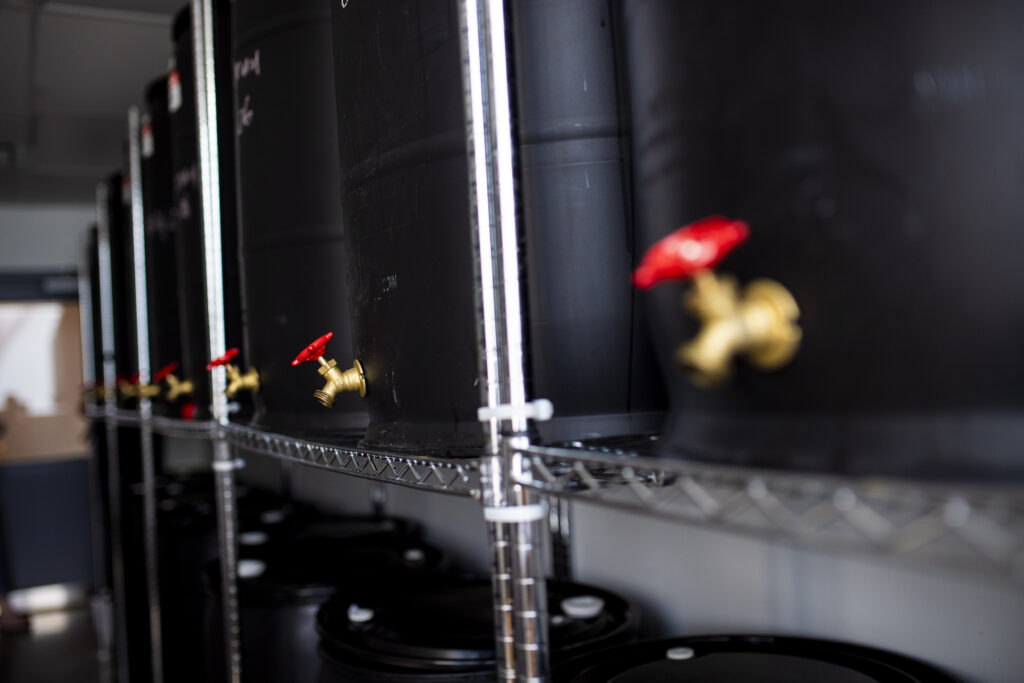
Because of MAPs’ longstanding history in Canada since the 1990s, their established evidence for harm reduction in peer-reviewed medical literature and past national media attention, the majority of the time the healthcare professionals speaking with me have already heard about the basics of a MAP. As a result, the questions I’m asked are related to the everyday elements of care happen at MAP. Nurses, social workers, doctors and more want to know: if we tried to set up a MAP in our community, what does it look like? How do you actually deliver the care? Who are the people working at the site each day?
In fielding these questions, we realized that other healthcare professionals could benefit from some of the more practical descriptions of how we deliver care at our MAP. While there are guidelines for MAPs in Canada, it can be harder to find descriptions about the everyday aspects of care at each of the known MAP sites currently running. At OICH, we currently have two MAP locations in Ottawa in partnership with the Shepherds of Good Hope. Our MAP care has evolved significantly since OICH and the Shepherds of Good Hope began delivering the program in 2001, with countless lessons learned along the way by nurses, client care workers, housing & shelter workers and doctors.
As a result, we set out to describe answers to some of the questions we commonly receive in a commentary published in the Harm Reduction Journal. Our hope at OICH is to continue to spread the experience and stories we have gained over the years so that we can improve our MAP care and its outcomes for our clients. And in recognition of OICH’s 25 year history of care in 2026 (including MAP), we hope to continue to spread some of our knowledge too!